

The Technology of Electronic Live Scan Fingerprinting

Fingerprinting has come a long way from the days of ink and paper. Today, live scan technology offers a faster, cleaner, and more accurate way to capture fingerprints. This technology is essential for individuals, professionals, and businesses that require background checks and identity verification. In this post, I will explain how live scan technology works, its benefits, and what you need to know if you are considering fingerprinting services.
What is Live Scan Technology?
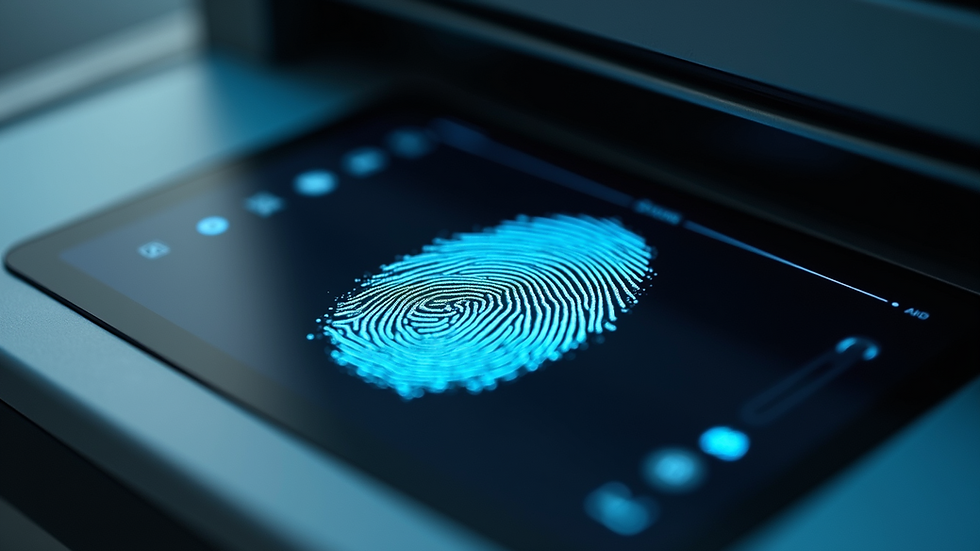
Live scan technology is a digital method of capturing fingerprints. Instead of using ink and paper, a live scan device scans the ridges and patterns of your fingers electronically. This data is then transmitted directly to the requesting agency or database, such as law enforcement or background check services.
The process is simple and efficient. You place your fingers on a glass plate, and the scanner captures high-resolution images of your fingerprints. These images are then converted into digital data that can be analyzed and stored securely.
Live scan technology has replaced traditional fingerprinting in many areas because it reduces errors, speeds up processing times, and improves the quality of the prints. It is widely used for criminal background checks, employment screening, licensing, and immigration purposes.

How Live Scan Technology Works
The core of live scan technology is the fingerprint scanner. This device uses optical or capacitive sensors to capture the unique patterns on your fingertips. Here’s a step-by-step overview of the process:
Preparation: The technician cleans the scanner surface to ensure clear prints.
Placement: You place each finger on the scanner one at a time or in a specific sequence.
Scanning: The scanner captures the fingerprint image using light or electrical signals.
Image Processing: The raw image is enhanced to highlight ridges and minutiae points.
Data Transmission: The digital fingerprint data is sent electronically to the agency requesting the prints.
Verification: The agency compares the prints against databases for identification or background checks.
This process usually takes just a few minutes. The digital nature of the data means it can be stored securely and accessed quickly when needed.
One of the key advantages is the reduction of errors. Traditional ink prints can smudge or be incomplete, leading to delays or rejections. Live scan technology minimizes these issues by providing clear, consistent images.

How much does a Live Scan device cost?
If you are considering investing in a live scan device for your business or agency, understanding the cost is important. Live scan devices vary widely in price depending on features, quality, and vendor.
Basic models start around $2,000 to $3,000. These are suitable for small offices or occasional use.
Mid-range devices range from $5,000 to $10,000. They offer faster scanning speeds and better image quality.
High-end models can cost $15,000 or more. These are designed for high-volume environments like law enforcement agencies.
In addition to the device cost, you should consider software licensing fees, maintenance, and training expenses. Some vendors offer bundled packages that include installation and support.
For many businesses, outsourcing fingerprinting to a trusted provider like Fingerprints 101 is more cost-effective than purchasing a device. This approach also ensures compliance with state and federal regulations.

Benefits of Electronic Live Scan Fingerprinting
Using electronic live scan fingerprinting offers several clear benefits:
Speed: Results are transmitted instantly, reducing wait times.
Accuracy: Digital images are clearer and less prone to errors.
Convenience: No messy ink or paper forms to handle.
Security: Data is encrypted and stored safely.
Compliance: Meets standards required by government agencies.
Environmentally Friendly: Eliminates the need for paper and ink.
For example, if you need a background check for a new job or professional license, live scan technology can speed up the process significantly. Instead of mailing ink cards and waiting weeks for results, your prints are sent electronically and processed faster.
Businesses that require regular fingerprinting, such as security firms or healthcare providers, benefit from the reliability and efficiency of live scan technology. It also reduces the risk of rejected prints, which can delay hiring or licensing.
If you want to learn more about how to get fingerprinted using this technology, you can visit electronic live scan fingerprinting for detailed service options.
What to Expect During a Live Scan Fingerprinting Appointment
When you schedule a live scan fingerprinting appointment, the process is straightforward. Here’s what typically happens:
Check-in: You provide identification and any required forms.
Preparation: The technician explains the process and cleans the scanner.
Fingerprinting: You place your fingers on the scanner as instructed.
Verification: The technician reviews the images to ensure quality.
Submission: Your prints are sent electronically to the requesting agency.
Receipt: You receive a confirmation or receipt for your records.
The entire appointment usually takes less than 15 minutes. It’s important to keep your fingers clean and dry for the best results. Avoid lotions or dirt before your appointment.
If you have any questions or special requirements, the technician can assist you. Many providers also offer additional services like background checks, apostille, and document translation to simplify your experience.
The Future of Live Scan Technology
Live scan technology continues to evolve. New advancements aim to make fingerprinting even faster, more accurate, and more secure. Some trends to watch include:
Mobile live scan devices that allow fingerprinting outside traditional offices.
Integration with biometric systems like facial recognition for multi-factor identification.
Cloud-based storage for easier access and sharing of fingerprint data.
Improved sensors that capture prints even in challenging conditions.
As these technologies develop, they will further streamline identity verification and background checks. This benefits everyone by making processes simpler and more reliable.
For those needing fingerprinting services in Connecticut, providers like Fingerprints 101 are committed to staying at the forefront of these innovations. Their goal is to make fingerprinting and background checks as stress-free as possible.
Understanding live scan technology helps you make informed decisions about fingerprinting. Whether you need it for employment, licensing, or security, electronic live scan fingerprinting offers a modern, efficient solution. By choosing trusted providers and knowing what to expect, you can complete your fingerprinting quickly and confidently.


Comments