

Understanding the Different Types of FBI Background Checks Requiring Fingerprinting

In today's world, ensuring safety and security is more important than ever. Background checks are key to this process, particularly the FBI background checks that require fingerprinting. This blog post takes a closer look at these checks, their purposes, procedures, and why they matter.
What is an FBI Background Check?
An FBI background check is a detailed examination of a person’s criminal history conducted by the Federal Bureau of Investigation. This review often includes fingerprinting, which allows the FBI to accurately identify individuals and check their criminal records against its extensive database.
These checks are regularly required for a variety of situations, including employment, licensing, and other scenarios where knowing someone’s criminal history is important. For instance, over 30% of employers now request FBI background checks during the hiring process to protect their business and the public.
Types of FBI Background Checks Requiring Fingerprinting
1. Employment Background Checks
Employers in high-stakes fields, such as education, healthcare, and security, often require FBI background checks for new hires. These checks are crucial for ensuring that candidates do not pose risks to vulnerable populations. For example, in schools, it is common for about 82% of hiring managers to conduct background checks, helping to keep students safe from individuals with previous criminal behavior.
The typical process for these checks involves submitting fingerprints to the FBI, which will then cross-reference them against their criminal databases.

2. Adoption and Foster Care Background Checks
Anyone looking to adopt a child or become a foster parent is generally mandated to undergo an FBI background check. This step is vital to ensuring the safety of children. For instance, statistics show that about 90% of adoption agencies require thorough background checks, including fingerprinting, to ensure caregivers have no disqualifying criminal history.
3. Gun Purchase Background Checks
In many states, individuals who wish to buy firearms must undergo an FBI background check that includes fingerprinting. This is part of the National Instant Criminal Background Check System (NICS). As of recent data, around 22% of all NICS checks involve fingerprinting. This system is designed to prevent individuals with a history of violent crimes or mental health issues from obtaining firearms, contributing to a safer society.

4. Professional Licensing Background Checks
Various professions, such as doctors, nurses, and financial advisors, require licensing that involves an FBI background check. These checks enhance public safety and maintain professional integrity. For example, approximately 85% of healthcare professionals are subject to background checks, including fingerprinting, ensuring that only qualified individuals operate in high-responsibility roles.
5. Immigration and Naturalization Background Checks
Applying for immigration or naturalization in the United States necessitates an FBI background check, which includes fingerprinting. This ensures that applicants have no criminal history that could disqualify them from legal residency. In recent years, over 90% of immigrants referred for naturalization have completed these checks, emphasizing their importance in the process.
The Fingerprinting Process
The process of getting fingerprints for an FBI background check usually consists of several steps:
Finding a Fingerprinting Location: Individuals need to find an authorized place to get their fingerprints taken. This can be local law enforcement agencies, private companies, or specialty fingerprinting services.
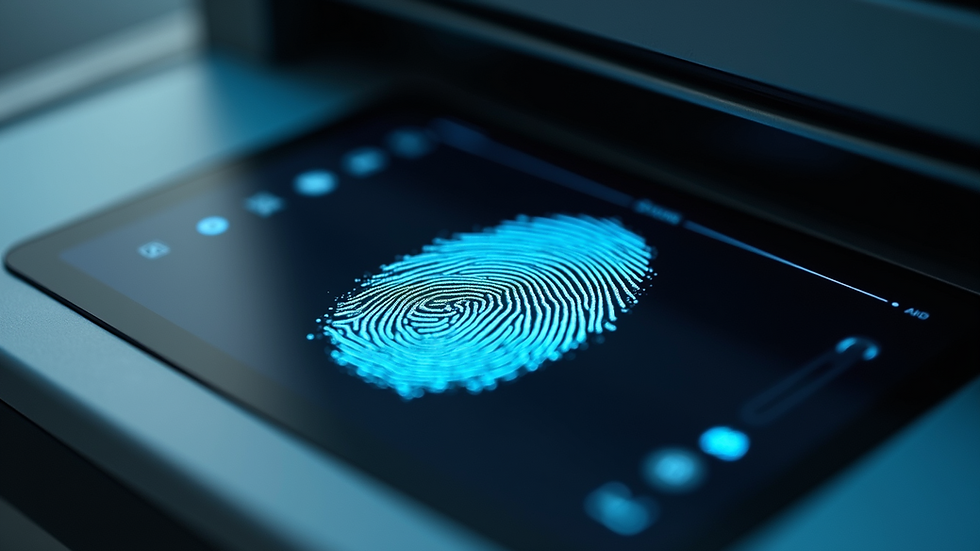
Submitting Fingerprints: After reaching the location, a technician will capture fingerprints using ink or a digital scanner.
Completing the Application: Alongside the fingerprints, applicants must fill out an application with personal details and the reason for the background check.
Payment: There is typically a fee for both the fingerprinting service and the background check.
Waiting for Results: Once submitted, the fingerprints and application are sent to the FBI, which may take several days to weeks to process and return results.
Importance of FBI Background Checks
FBI background checks that require fingerprinting are important for several reasons:
Safety and Security: They protect vulnerable groups, such as children and the elderly, by ensuring caregivers have no histories of harmful behavior.
Public Trust: Background checks help build trust in professions that require a high degree of responsibility, like healthcare and education.
Legal Compliance: Many sectors are legally required to conduct background checks, making them essential for hiring and licensing processes.
Final Thoughts
Grasping the various types of FBI background checks that require fingerprinting is essential for navigating employment, adoption, or licensing paths. These checks are vital for enhancing safety and security across many fields. By understanding the types of checks and the fingerprinting process, individuals can better equip themselves for the requirements they will face.
As safety continues to be a priority in society, the role of FBI background checks will grow increasingly significant, ensuring that individuals in sensitive roles are thoroughly vetted for the protection of everyone involved.



Comments